
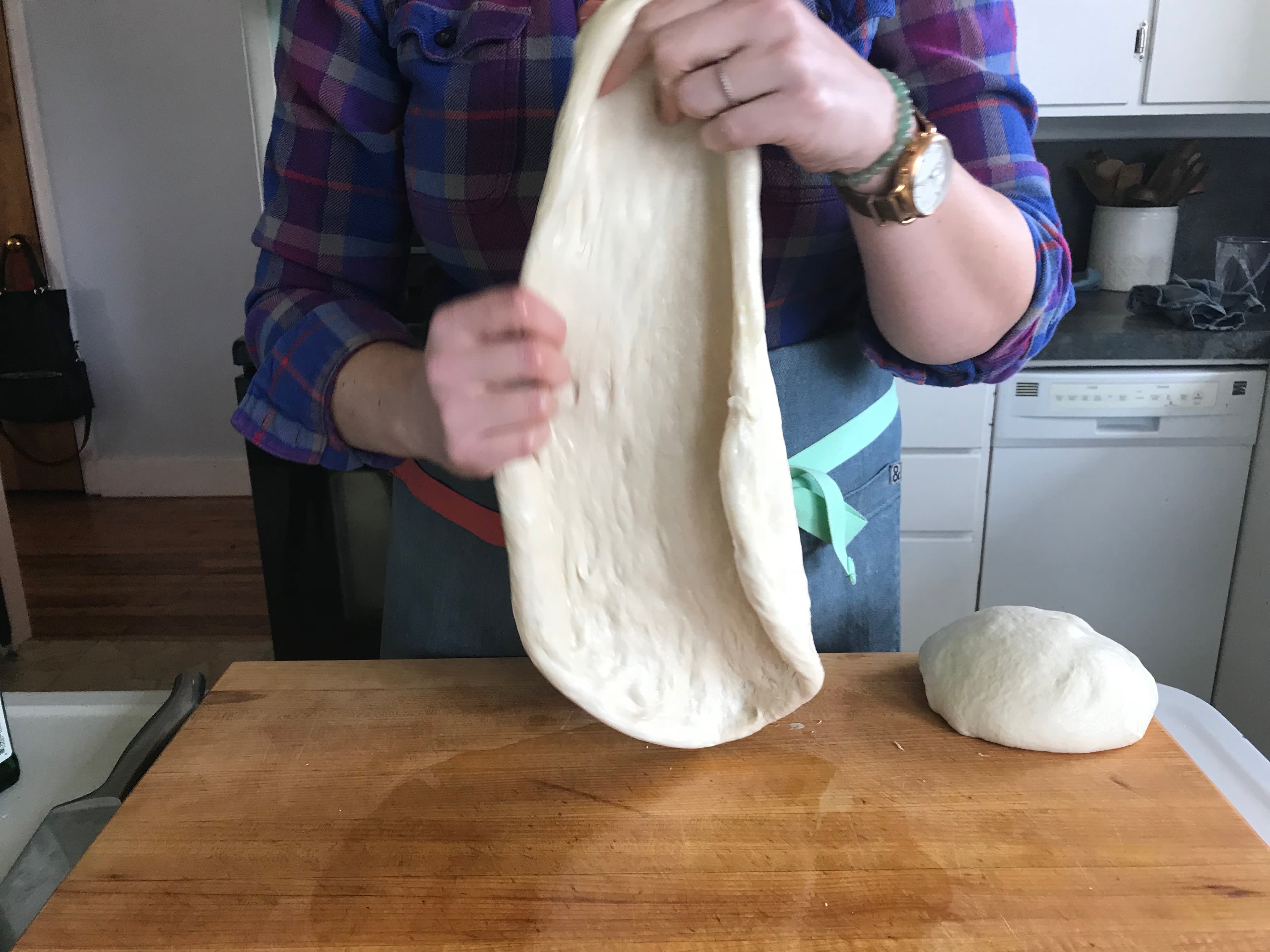
Why Spring Is a Transition Season for Dough
Spring is one of the most unpredictable times of year for pizza dough. Temperatures fluctuate daily, humidity begins to rise, and fermentation behavior changes rapidly. Dough that behaved perfectly in winter can suddenly become slack, sticky, or overproofed.
These changes happen because yeast activity increases as temperatures climb. Even a 5–10°F increase in room temperature can dramatically accelerate fermentation.
What Happens to Dough in Spring
As temperatures increase:
- Yeast becomes more active
- Dough ferments faster
- Gluten relaxes sooner
- Dough spreads more easily
- Overproofing risk increases


How to Adjust Yeast for Spring
One of the easiest adjustments is reducing yeast slightly. You don’t need drastic changes — small tweaks go a long way.
Suggested adjustment:
- Reduce yeast by 5–10%
- Keep fermentation schedule the same
- Evaluate dough structure before baking
This maintains consistency without altering your workflow.
Water Temperature Adjustments
Another important factor is mixing water temperature. In spring, using slightly cooler water slows fermentation and helps maintain dough strength.
Tips:
- Use water around 55–60°F
- Monitor final dough temperature
- Aim for consistent mix temperature
Spring Fermentation Workflow
- Mix dough with slightly cooler water
- Short bench rest (15–20 minutes)
- Ball dough sooner
- Refrigerate earlier
- Warm gradually before baking


Spring Dough Handling Tips
- Keep dough covered tightly
- Avoid excessive bench flour
- Handle gently to maintain gas
- Monitor proofing time closely
Spring is all about small adjustments. With careful control, you can achieve extremely consistent results.
0 comments